The warning signs, in plain order
A furnace rarely dies without warning. It usually tells you for a season or two first, and the fall is when you want to be listening. Here is what to watch for.
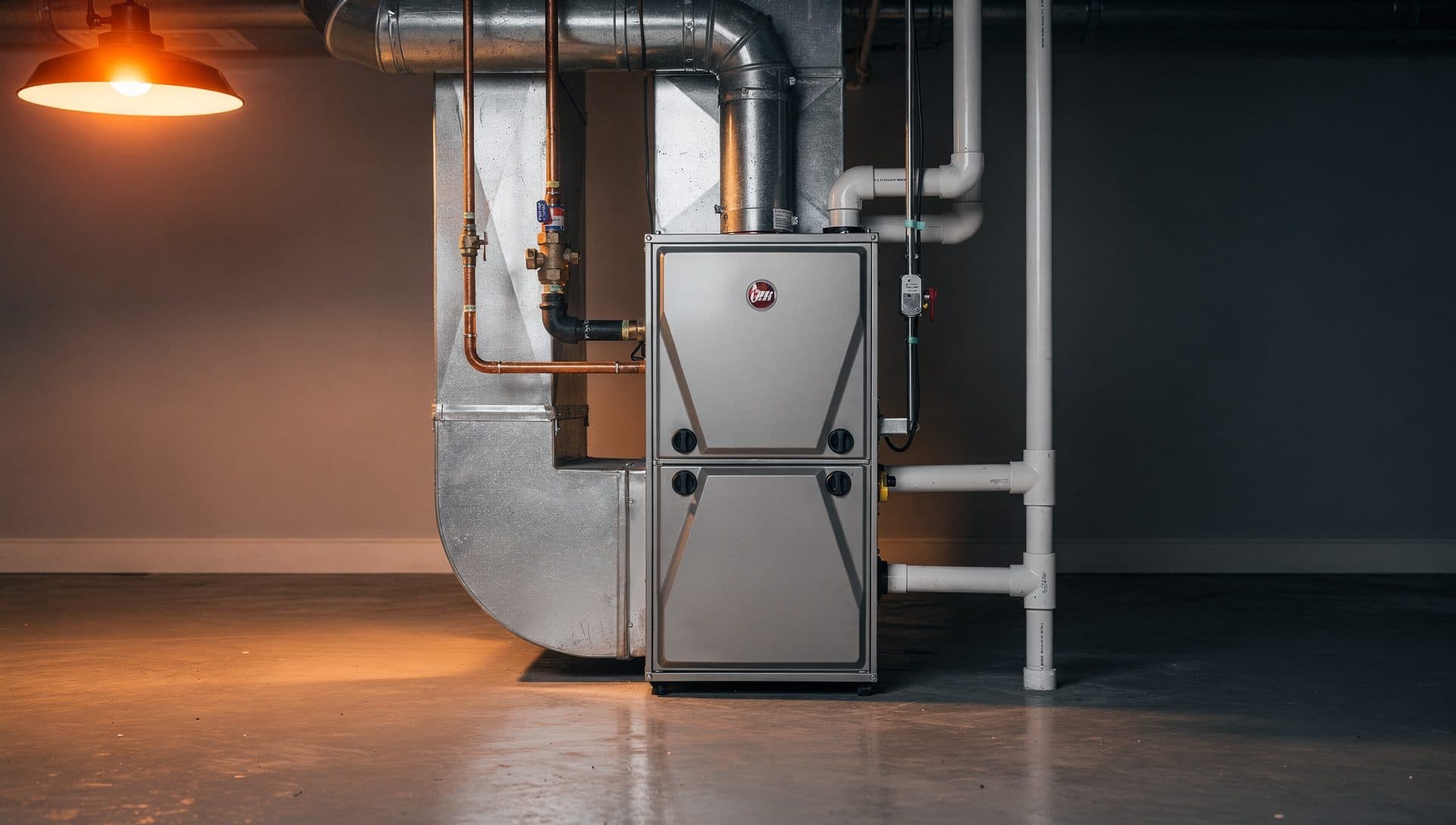
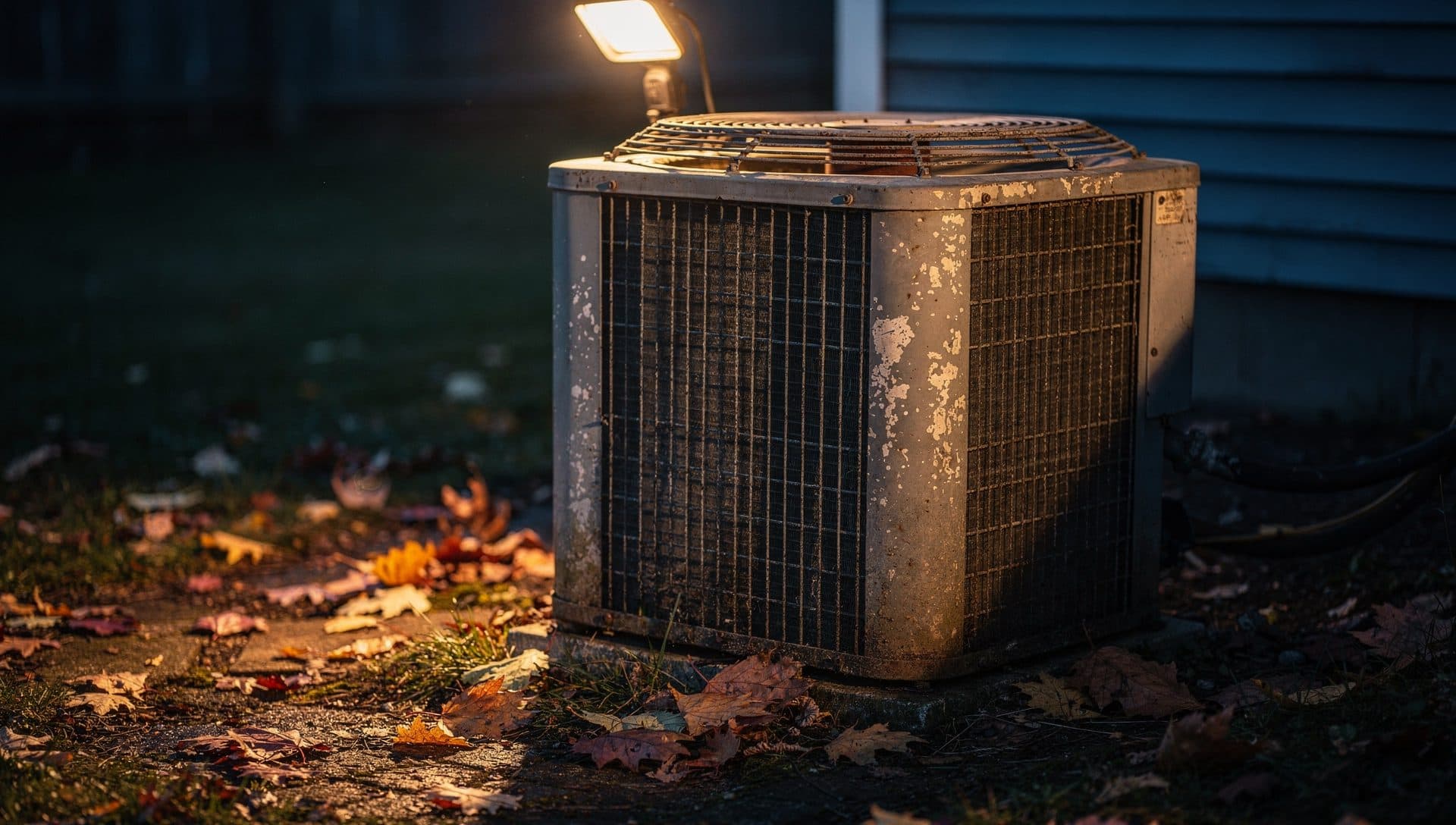
- Age past 15 years. Most furnaces last around 15 to 20 years, so once you cross that line, small failures turn into the end fast.
- Heating bills climbing. If your bill creeps up every winter for the same thermostat setting, the furnace is losing efficiency as it wears.
- Short-cycling. If it kicks on and off in quick bursts instead of steady runs, something is wrong, from airflow to a failing sensor.
- Banging, rattling, or booming on startup. Loose parts or a delayed ignition make noise a healthy furnace does not.
- Uneven heat. Rooms that used to be comfortable now run cold while the furnace works harder to keep up.
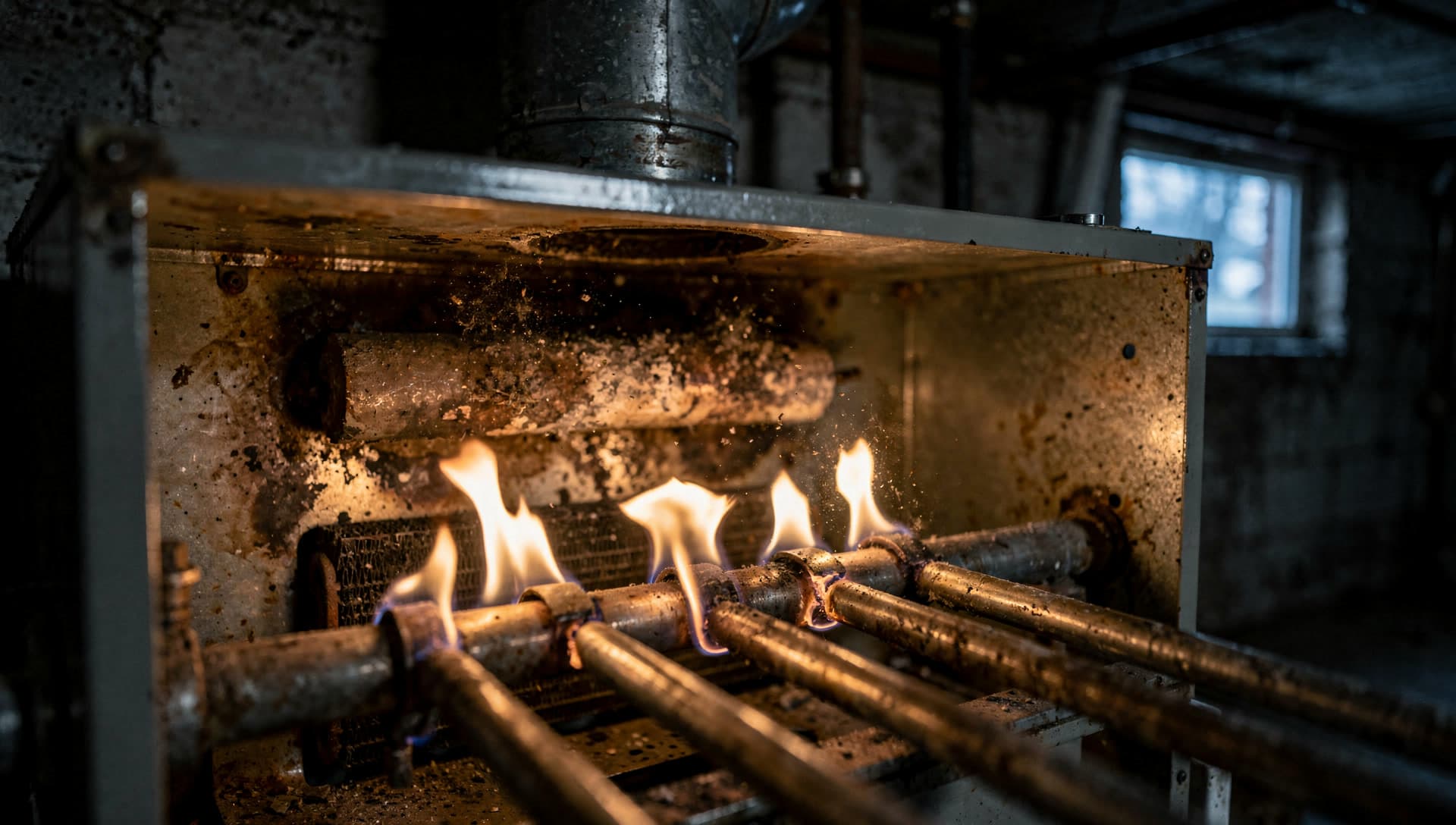
- A yellow flame or soot. The flame should burn steady blue, and yellow or sooty burners point to a combustion problem to service now.
The one that is safety, not just comfort
Most of these signs cost you money or comfort. One of them can cost more than that. A cracked heat exchanger, which is common in older furnaces, can let carbon monoxide into the air you breathe. Carbon monoxide is colorless and odorless, so a working detector is the only thing that catches it. If your furnace is old and showing a yellow flame or setting off a CO alarm, treat it as urgent, not a someday project.
| What you notice | Likely cause | What to do |
|---|---|---|
| Bills climbing each winter | Efficiency dropping with age | Price a replacement if 15-plus |
| Short-cycling on and off | Airflow, sizing, or a sensor | Service it, replace if old |
| Banging or booming startup | Loose part or delayed ignition | Have it inspected promptly |
| Yellow or flickering flame | Incomplete combustion, possible CO | Stop and service now |
| Uneven heat room to room | Failing blower or duct issue | Repair or plan an upgrade |
Why fall is the time to act
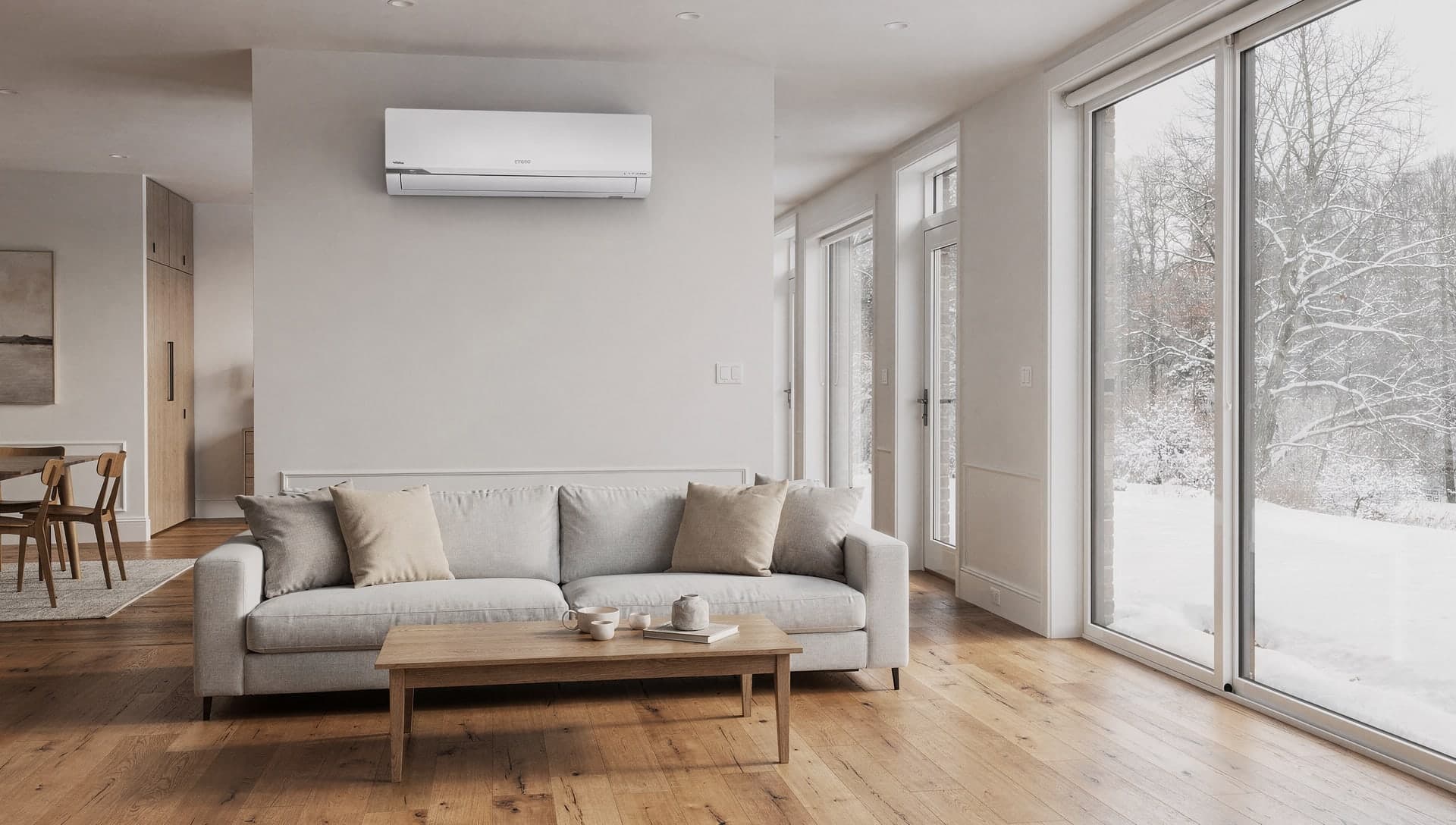
A furnace that dies in a January cold snap is a no-heat emergency at the worst possible price. When every furnace in the county fails at once, you pay rush rates and take whatever unit is on the truck. Acting in the fall, while your old furnace still limps along, lets you shop the price, compare a high-efficiency furnace against a cold-climate heat pump, and capture the rebates. That is the whole difference between choosing and panicking.
How I check it
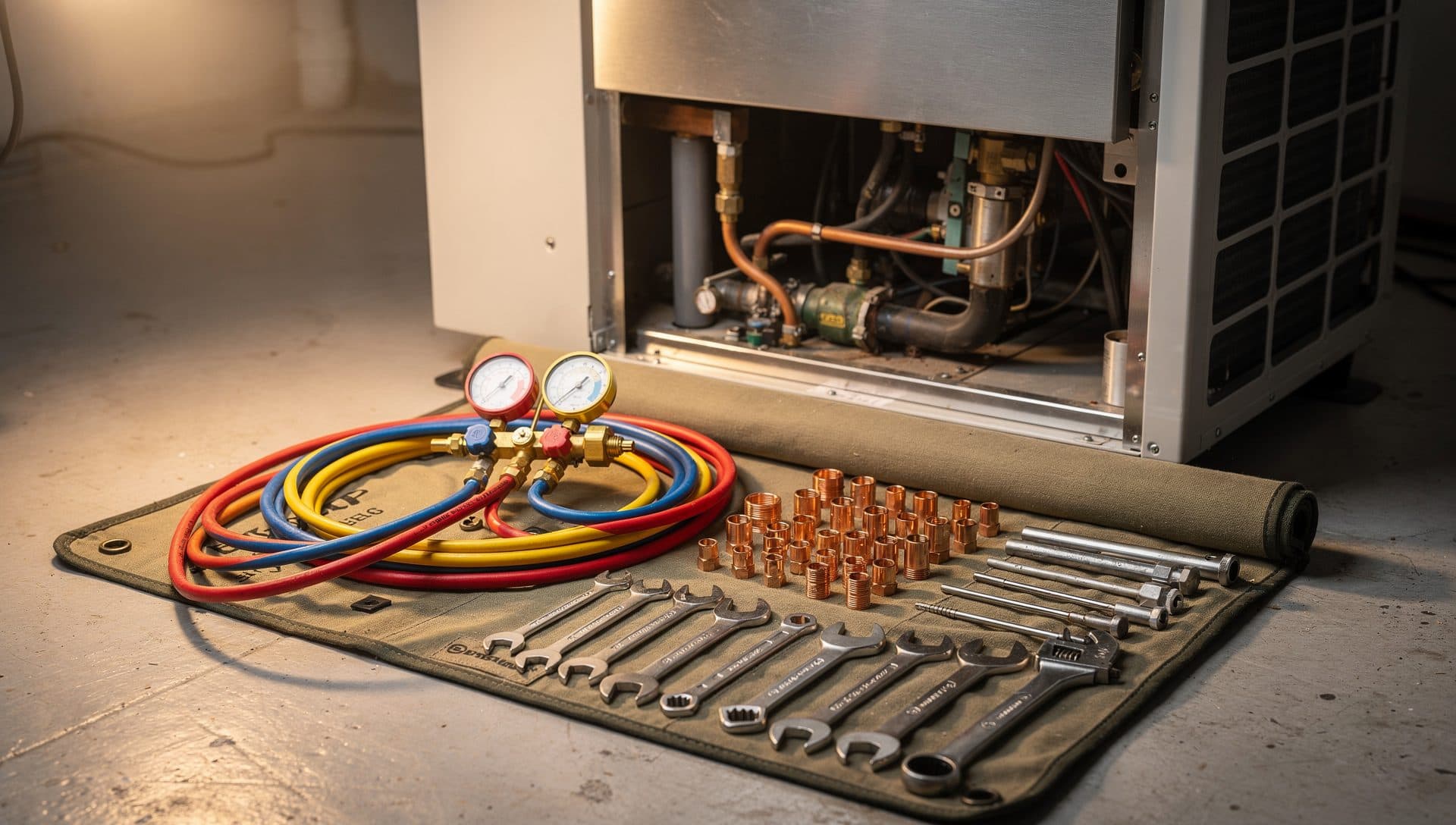
I inspect the burner, the heat exchanger, the flame, and the way the furnace cycles, then I give you the honest read: a small fix, a fall replacement you can plan, or a system that is fine for now. Either way you get a real number in writing for free, and a maintenance plan catches the small stuff before it becomes a cold-night emergency.