The short answer, in real dollars
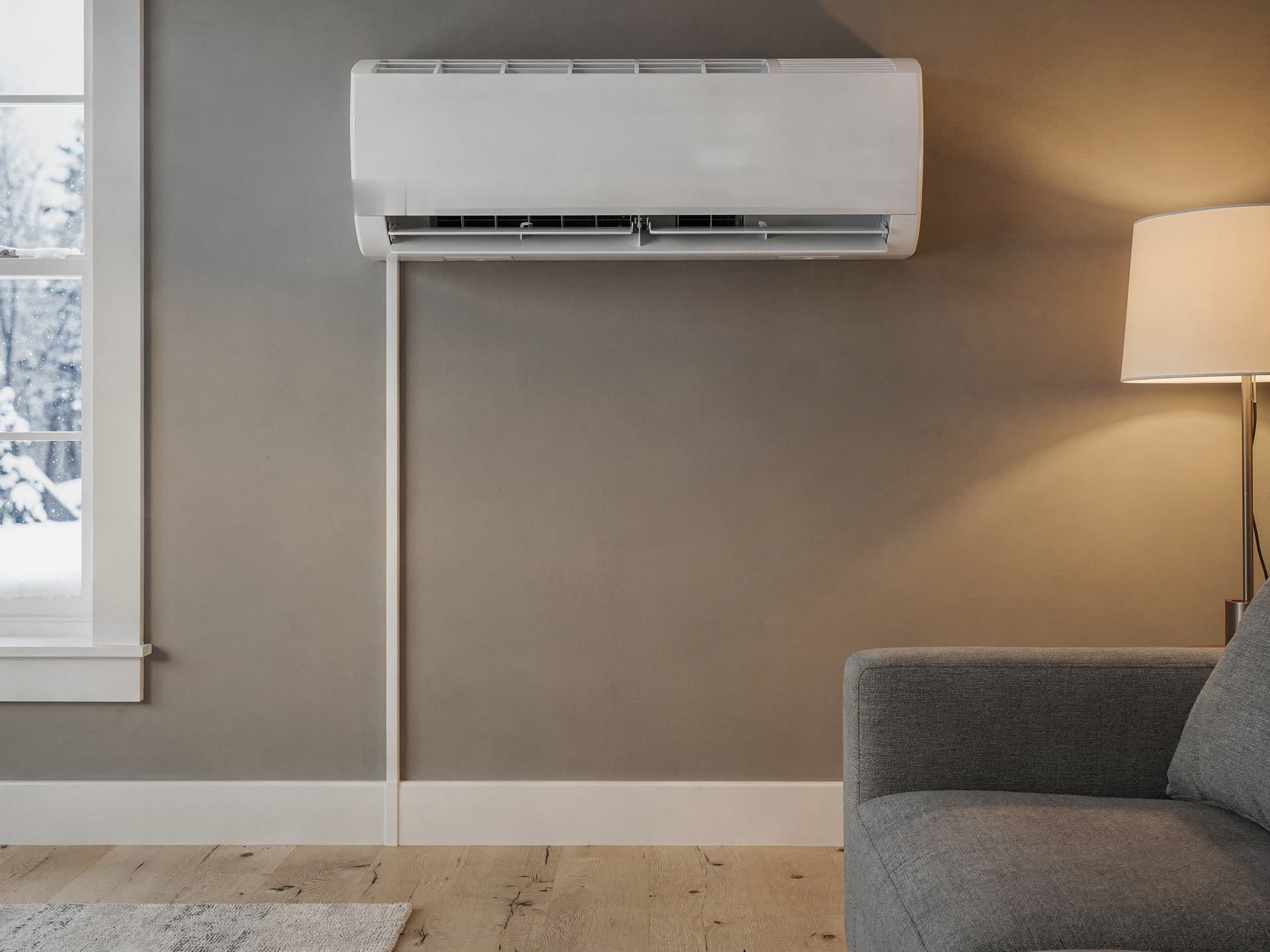
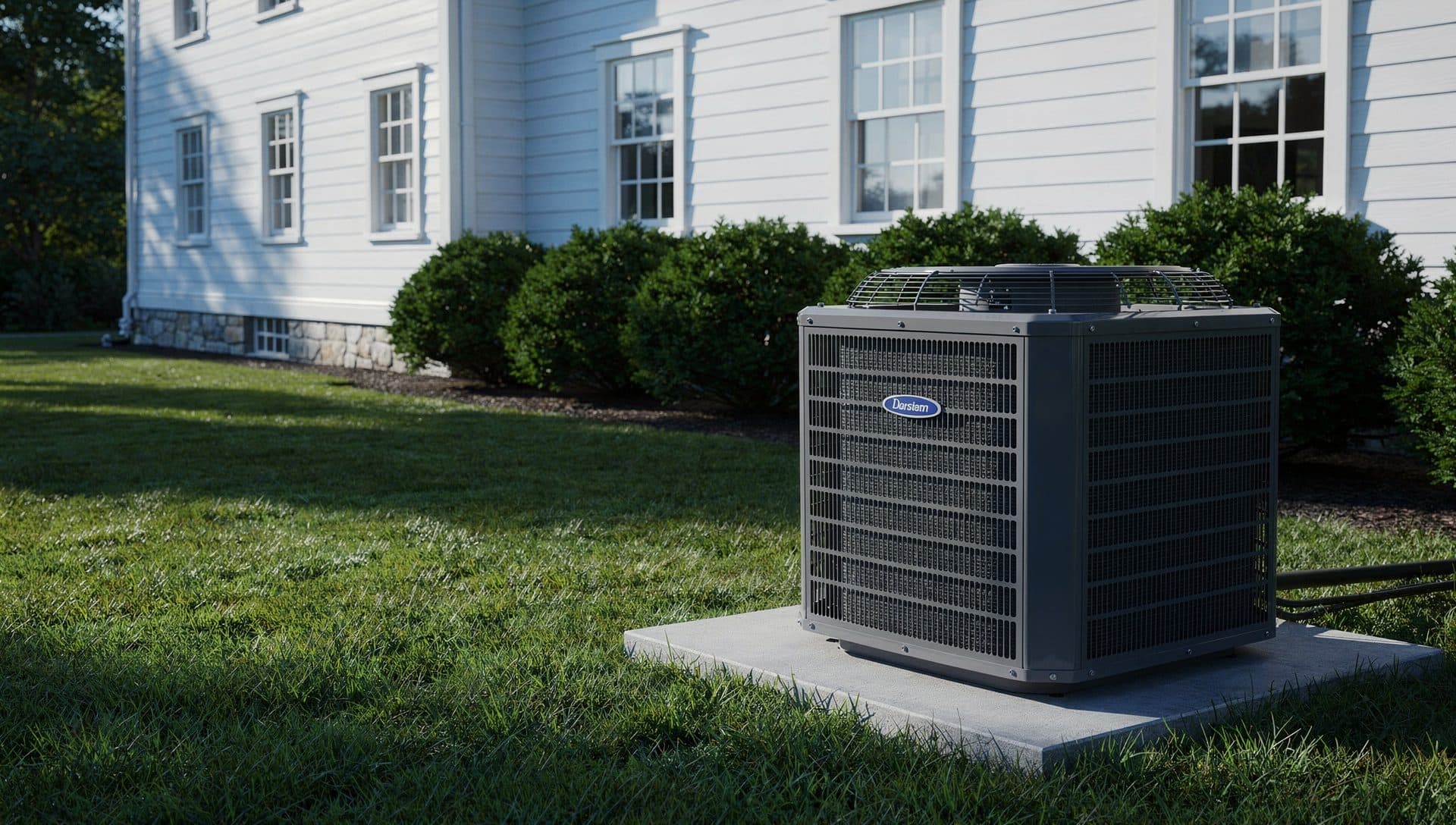
A mini split is cheap to cool and moderate to heat. Cooling barely moves the bill in our short summer, and heating is where the real number lives, because up here a mini split is a heat pump that runs hard all winter. What makes New Hampshire different is the electric rate: we pay among the highest residential prices in the country, so the same unit costs more to run here than in most states, and the efficiency of the equipment matters more. (U.S. Energy Information Administration)
| Scenario | Rough monthly cost | Notes |
|---|---|---|
| Cooling one to two zones, peak summer month | $30 to $80 | Short season keeps this low |
| Cooling a whole home, peak summer month | $60 to $120 | Only a few weeks of hard use a year |
| Heating most of a home, mild winter month | $80 to $200 | Shoulder-season heating is cheap |
| Heating most of a home, coldest month | $200 to $400 | January and February carry the load |
Those ranges assume a New Hampshire rate near 28 to 32 cents per kilowatt-hour and a home carrying most of its heat on the heat pump. A smaller home, a single zone, or keeping a backup furnace for the coldest nights all pull the number down.
Why cooling barely moves your bill
New Hampshire has a short cooling season, so the summer cost is small no matter how you slice it. A modern mini split sips power when it cools, modulating down instead of slamming on at full blast, and most homes only run it hard for a few weeks in July and August. For a lot of my customers, summer cooling adds less to the bill than they expected, often the cost of a few dinners out across the whole season.
Winter heating: the number that matters
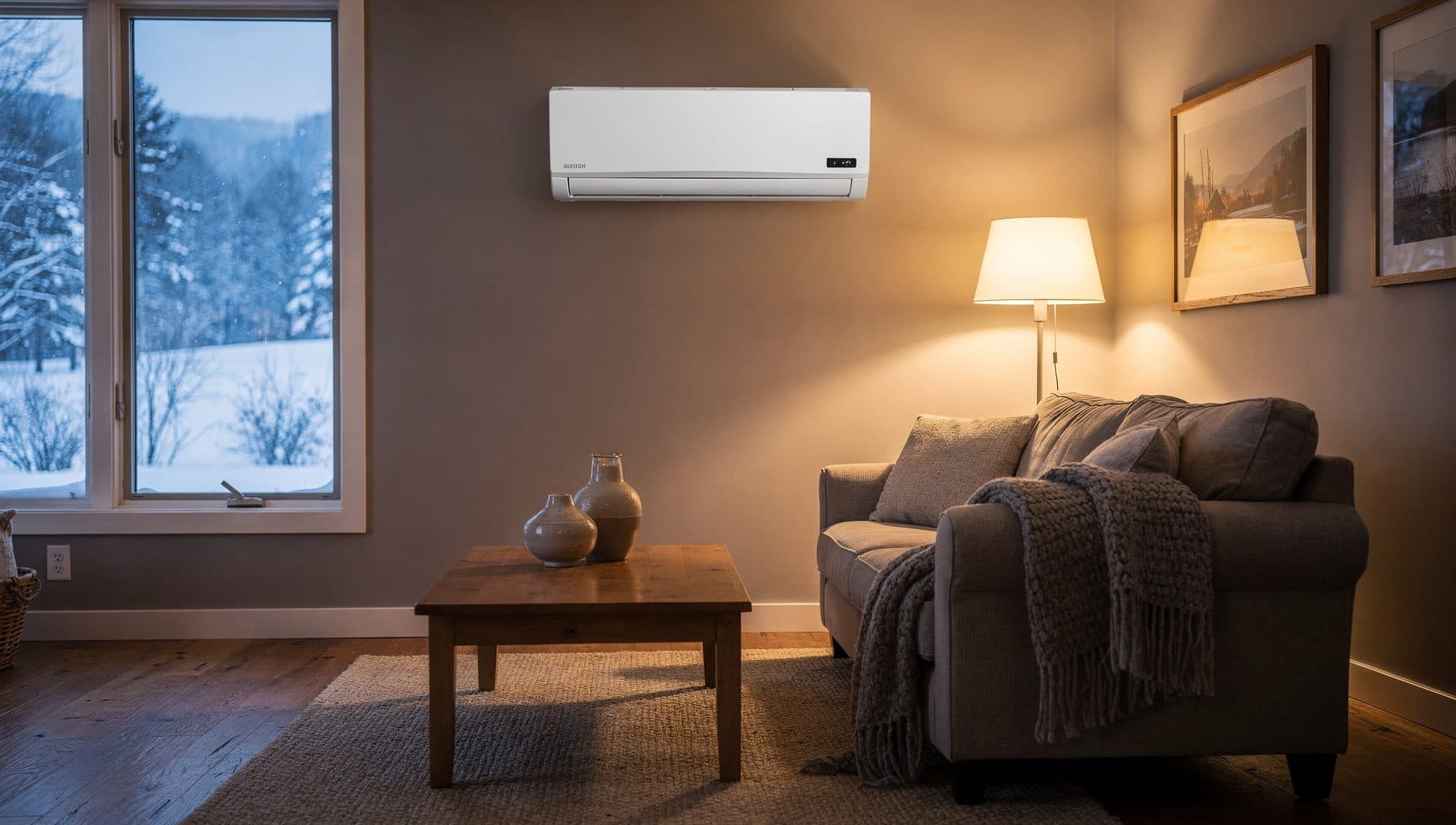
Heating is where the running cost is decided, and it is also where a mini split earns its keep. A heat pump does not burn fuel to make heat, it moves heat, so it delivers roughly two to three units of heat for every unit of electricity it draws. That efficiency, measured as COP and HSPF2, is why a cold-climate mini split can heat a New Hampshire home for less than the fuel it replaces, even at our high electric rates.
| Old heating fuel | How the mini split compares |
|---|---|
| Electric-resistance baseboard | Big cut, often to about a third of the electric cost for the same heat |
| Propane | Usually a large saving, since propane is expensive per unit of heat |
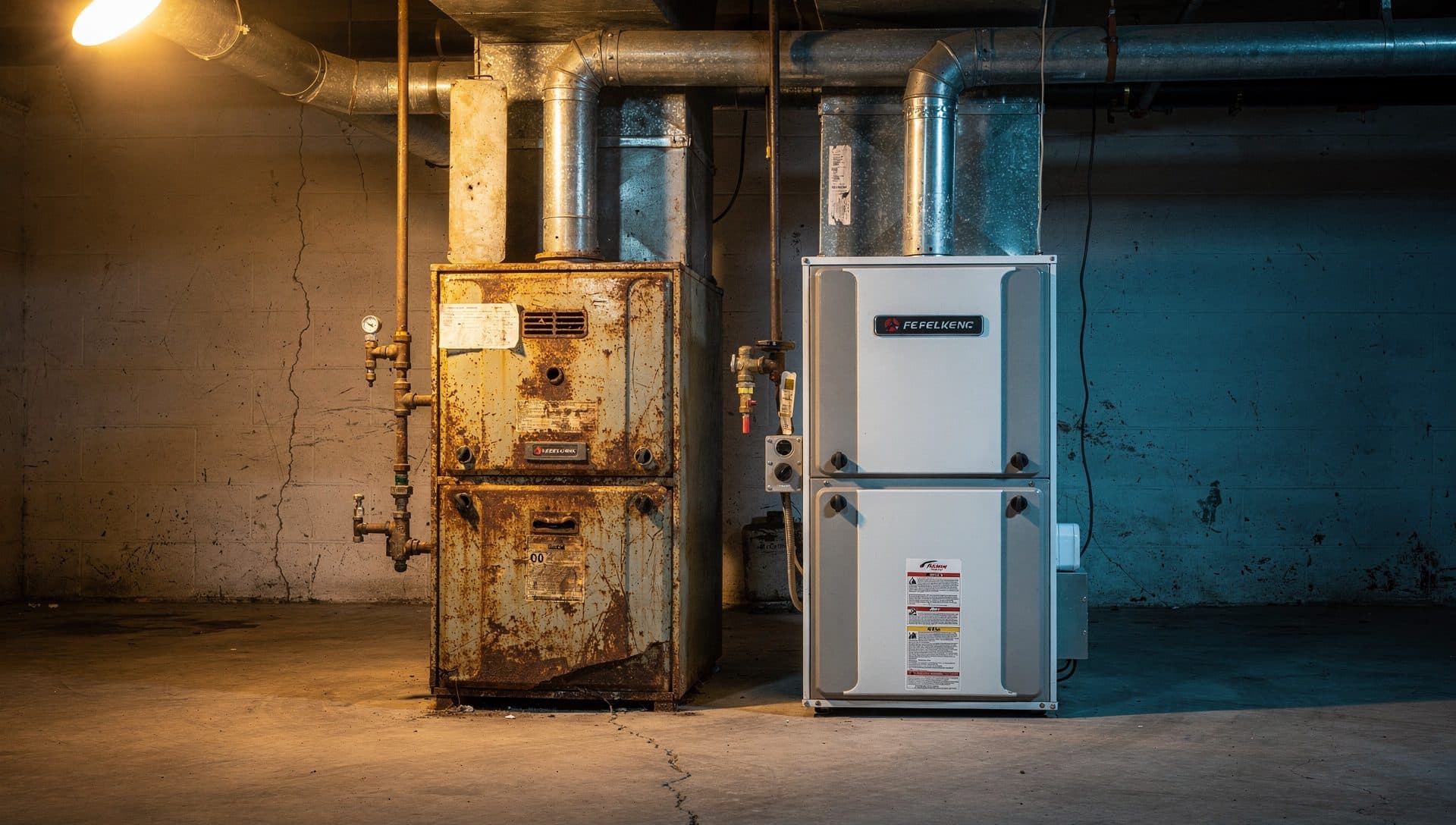
| Oil | Often cheaper at recent prices, though the gap is closer than the baseboard case |
| Cheap natural gas | Roughly a wash on cost, and you gain cooling and even comfort |
Efficiency and your bill
The single biggest lever on running cost is the efficiency of the unit, and it comes down to two ratings. SEER2 measures cooling efficiency and HSPF2 measures heating efficiency, and a higher number on either means less electricity for the same comfort. One note when you compare quotes: as of 2023 the U.S. Department of Energy uses a tougher test, so a SEER2 or HSPF2 number runs a few percent below the old SEER or HSPF rating on the very same equipment. For most New Hampshire homes a mini split in the 15 to 17 SEER2 range with a strong HSPF2 hits the sweet spot, high enough to cut the bill and qualify for rebates without overpaying for cooling efficiency our short summer never uses. Since we heat far more than we cool here, I weigh the HSPF2 heating number heavily, not just the cooling one. (Energy.gov)
How I keep your running cost down
Right-sizing is what protects the bill. An oversized system short-cycles, wastes power, and never settles into the efficient modulating run a mini split is built for, so I size to a real load calculation, pick equipment with the HSPF2 that fits our winter, and set the zones so you only condition the rooms you use. Then I put the efficiency ratings, the estimated running cost, and the rebates in writing for free.