The one question that decides it
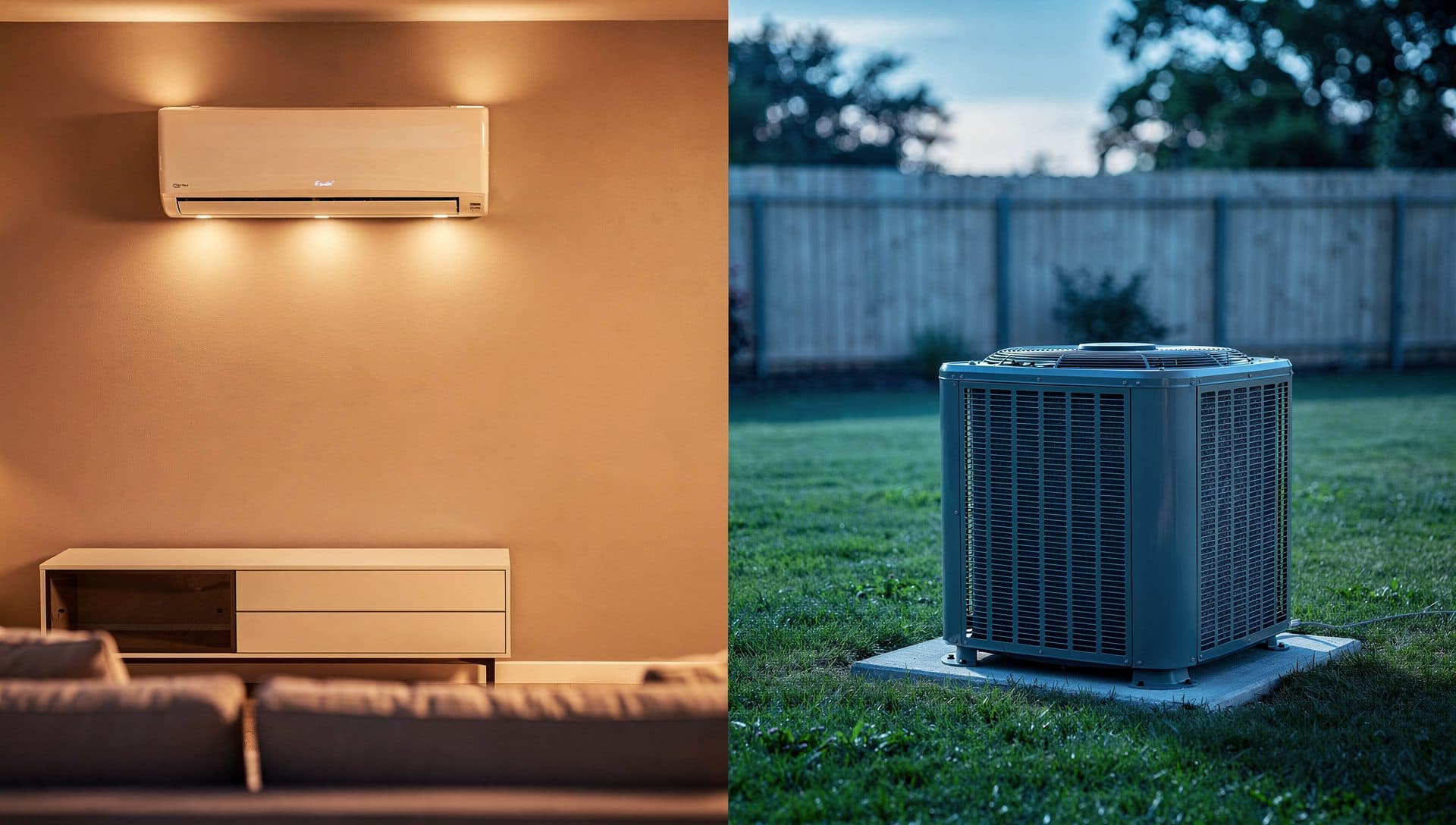
Almost every mini split vs central air decision comes down to a single thing: do you already have good ductwork? Everything else is secondary. So start there, and the rest gets simple.
When central AC makes sense
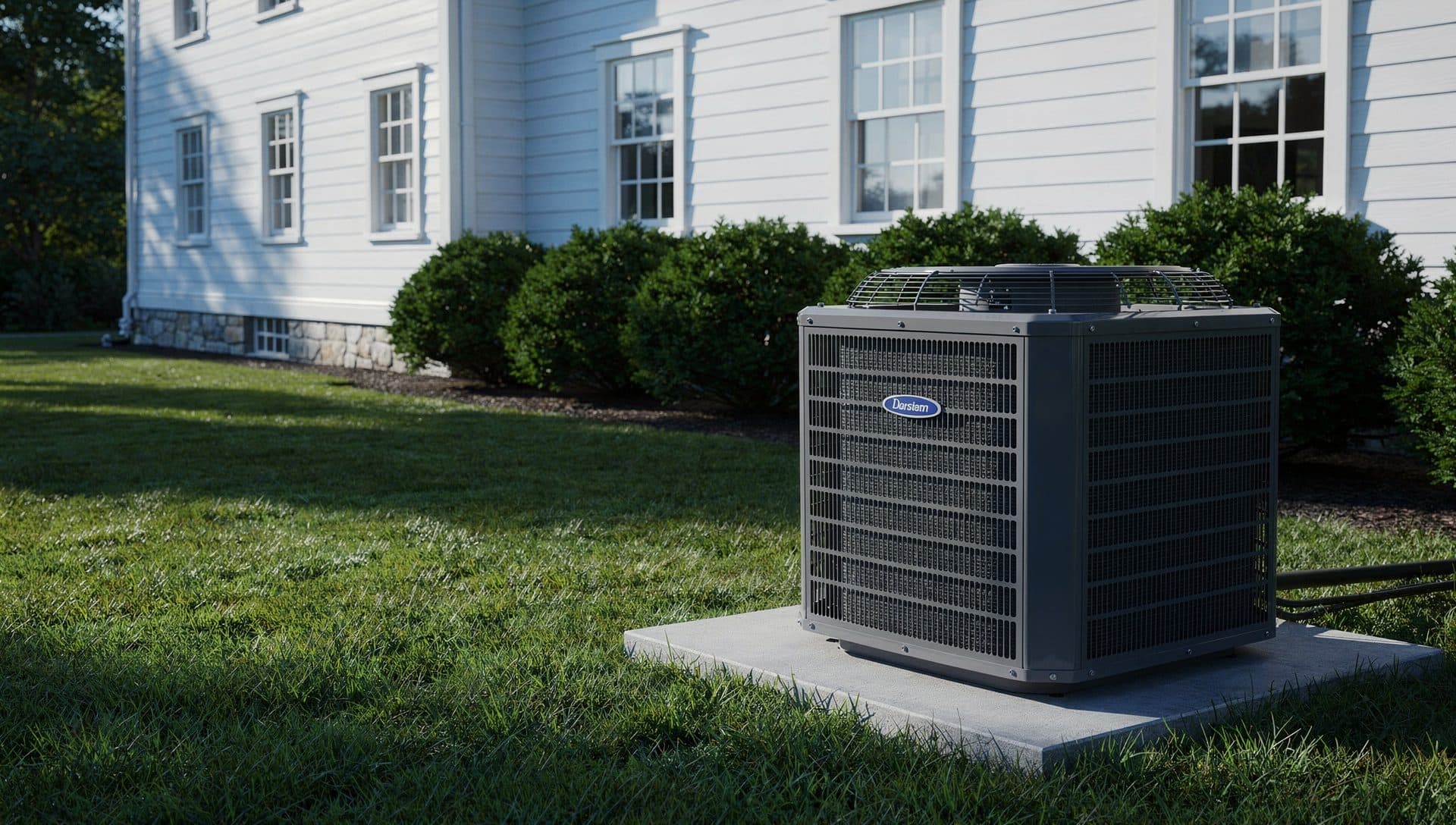
If your home already has ducts in decent shape, and especially if you already have a furnace moving air through them, central AC is often the cleaner path. You add a matched condenser and coil, and the whole house cools through the vents you already have.
- You have existing ductwork in good condition.
- You already heat with forced air and want matched cooling.
- You want the equipment out of sight, with just vents in the rooms.
- You are cooling a whole home evenly, rather than a few problem rooms.
When ductless wins
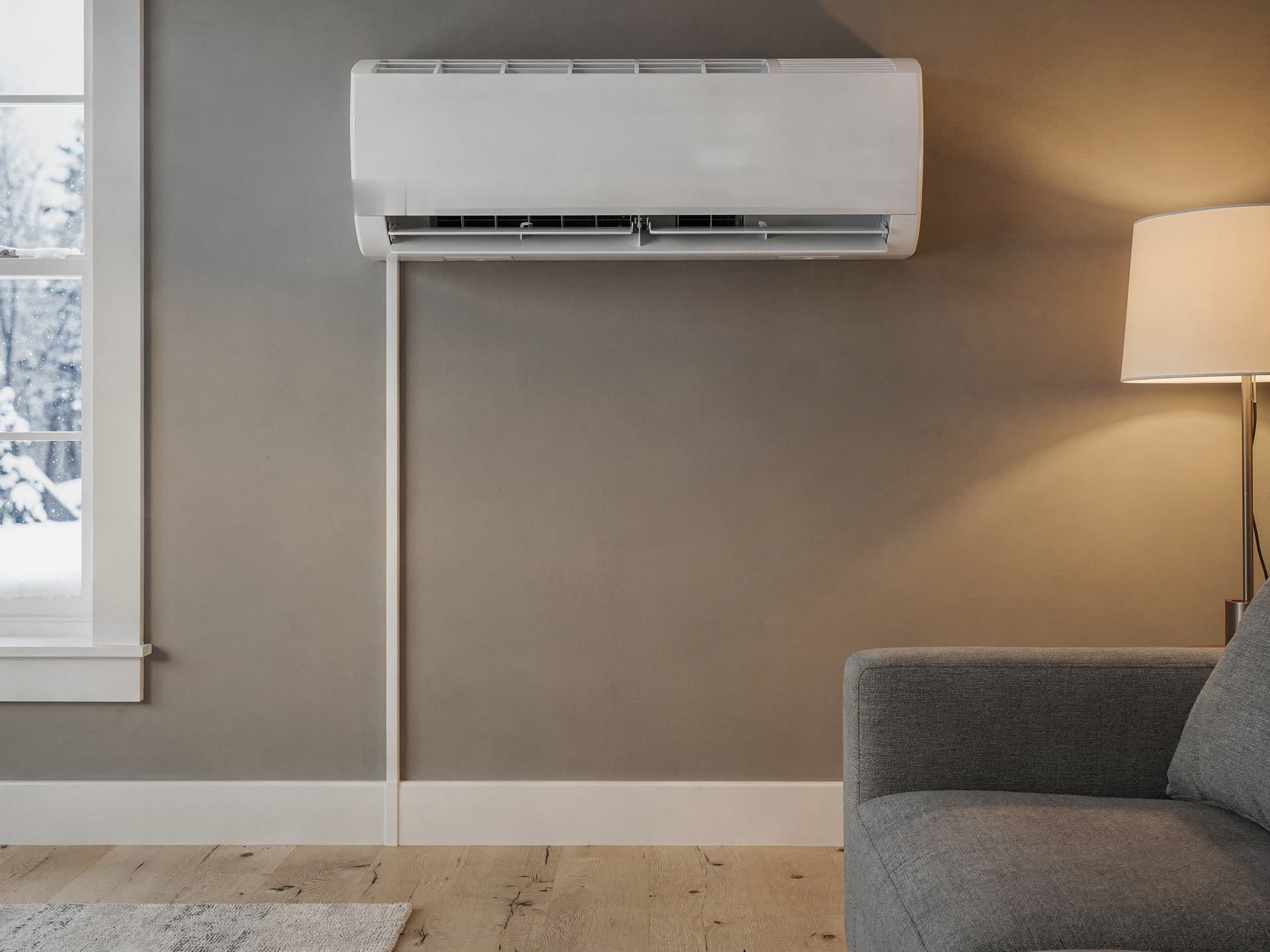
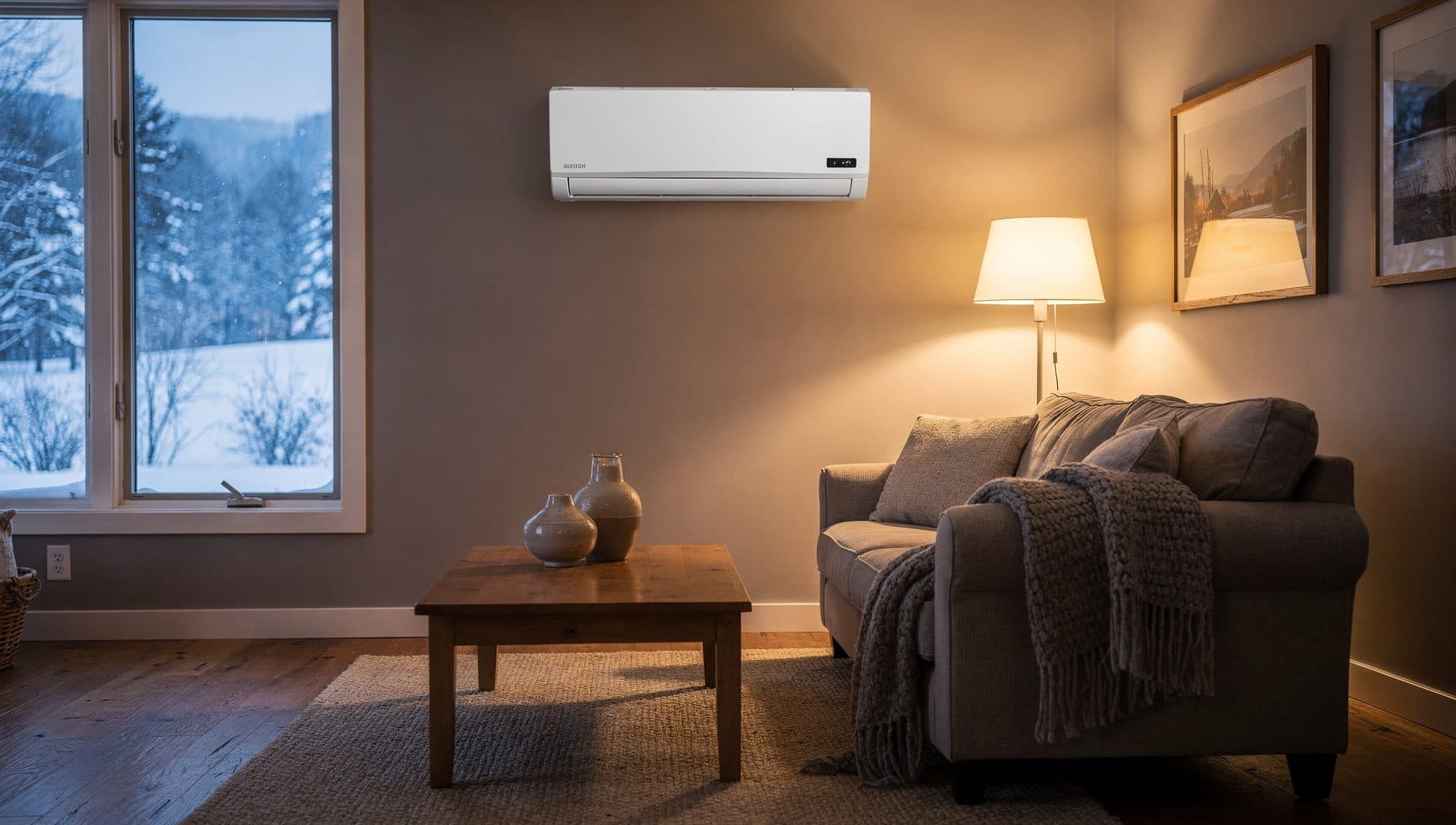
If you have no ductwork, forcing central AC into an older home means tearing ducts into finished walls and ceilings, which is weeks of demolition and cost you can skip entirely. A ductless mini-split runs on a small line-set through a three-inch hole, and it does something central AC cannot: it heats efficiently too.
- You have no ducts, or an older home where adding them means real demolition.
- You want to fix specific rooms that never get comfortable.
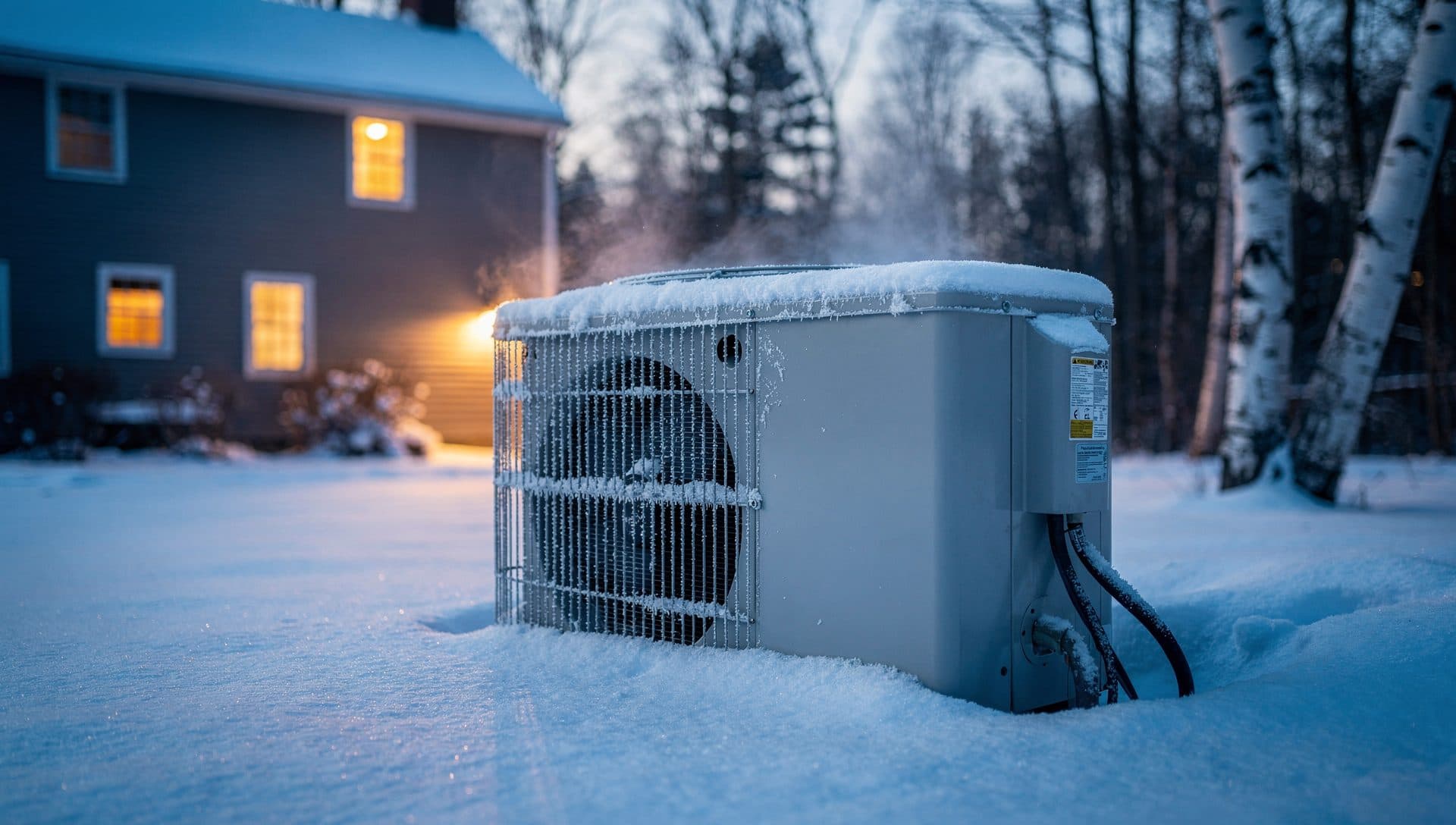
- You want heating and cooling in one system, with a heat pump that holds a NH winter.
- You want zone-by-zone control, so you only condition the rooms you use.
The cost picture
In New Hampshire, before rebates, central AC runs about $5,500 to $16,000 installed, and ductless runs about $4,000 to $7,000 for a single zone or $8,000 to $40,000 for a whole-house multi-zone system. The honest read: for a single problem room, ductless is usually cheaper, and for whole-home cooling where good ducts already exist, central AC is often the better value.
| Ductless mini-split | Central AC | |
|---|---|---|
| Best for | Homes with no ducts, problem rooms | Homes with good existing ducts |
| Typical cost | $4,000 to $7,000 per zone | $5,500 to $16,000 whole-home |
| Heats too? | Yes, efficient heat pump | No, cooling only |
| Install disruption | Small line-set, minimal | Uses existing ducts, or major work to add them |
| Rebates | NHSaves plus $650 Accelerator | NHSaves about $70 per ton |
How I help you decide
I look at your actual ductwork, your current heating, and the rooms that are not working, then I tell you which path fits your home and budget, not which one has the bigger ticket. Often the answer is central AC, sometimes it is ductless, and sometimes it is a furnace paired with a heat pump. I put the real numbers for your options in writing for free.