The honest lifespan
The straight answer is about 15 years for a typical heat pump, and 15 to 20 years for a quality cold-climate mini-split that gets looked after. That is in line with the Department of Energy and ENERGY STAR, which put heat pump service life around 15 years. Some run longer, and a neglected one runs shorter, so the number is really a range you influence. (Energy.gov)
Why New England is harder on a heat pump
Our climate asks more of the equipment than a mild region does, and that is worth knowing going in. The good news is that modern cold-climate units are built for exactly this, so the challenges are about care, not whether the equipment can take it.
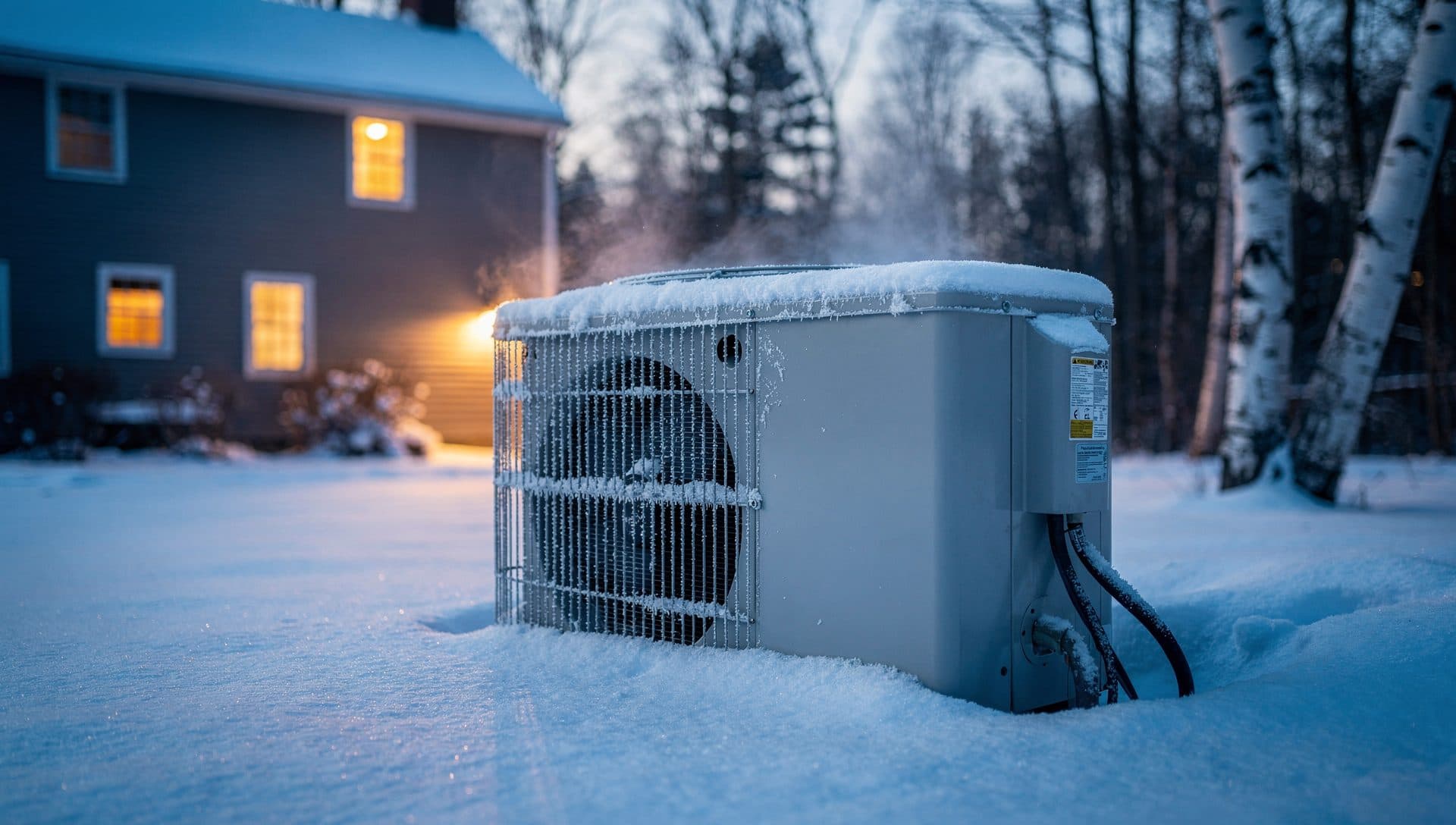
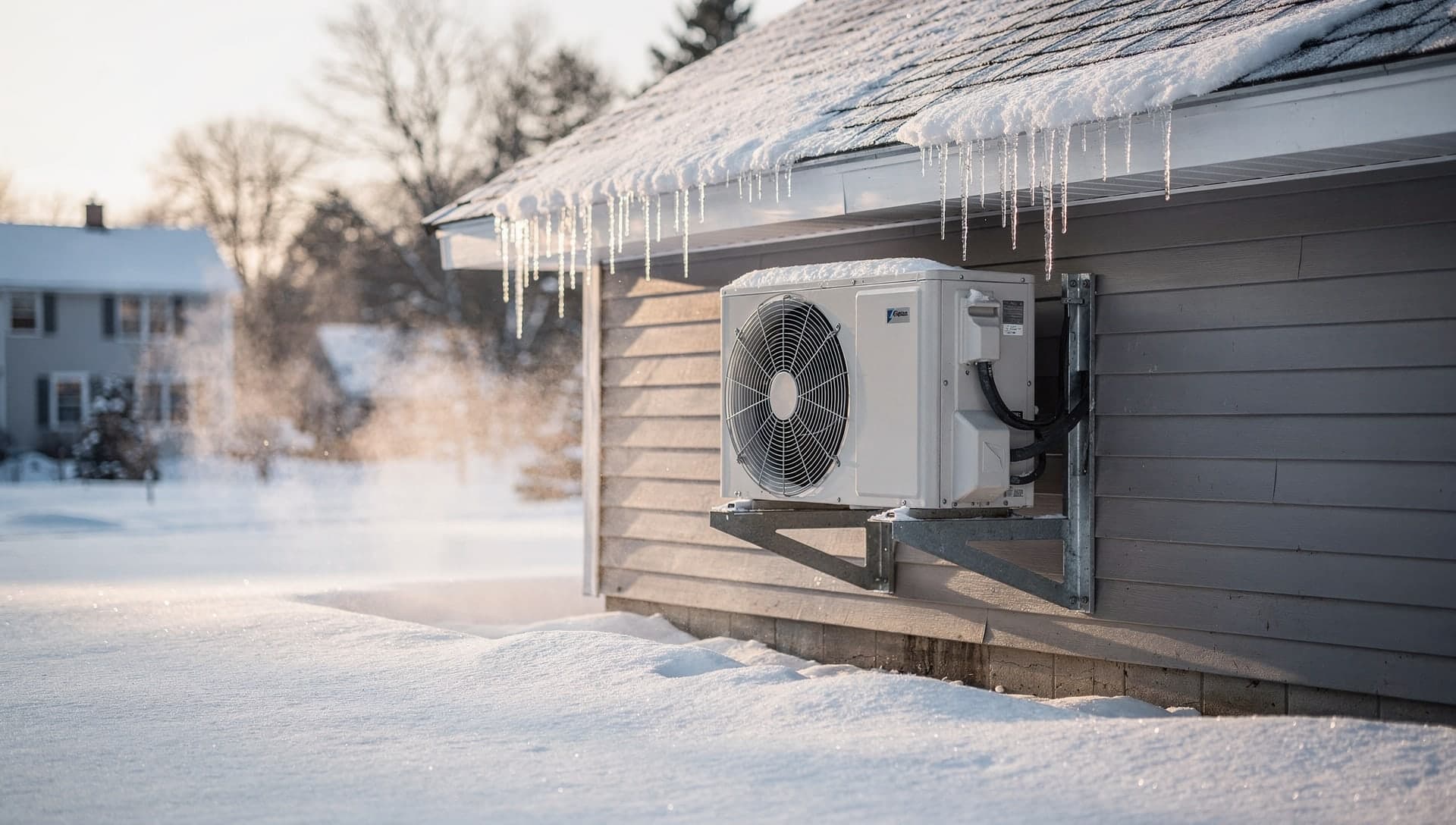
- Snow burial. An outdoor unit sitting at grade can get drifted over, which chokes airflow and strains the system if you do not clear it or raise it.
- Coastal salt. Near the shore, salt air is tough on outdoor coils, so seaside homes often see the low end of the range without extra rinsing and care.
- Deep-cold cycling. Hard winters mean the unit works through real cold, which is normal for cold-climate equipment but rewards good sizing.
- Short summers, long heating seasons. Here the heat pump earns its keep mostly in winter, so heating performance and maintenance matter more than in the south.
What makes one last 20 years instead of 10
The difference between a heat pump that quits at ten and one that runs past twenty is almost entirely how it was installed and maintained. None of it is complicated.
| Factor | Shortens life | Extends life |
|---|---|---|
| Maintenance | Skipped tune-ups, dirty filters | Annual service and clean coils |
| Sizing | Oversized and short-cycling | Right-sized to a load calculation |
| Location | Buried in snow, salt spray | Raised on a stand, clear airflow |
| Runtime | Constant strain from bad sizing | Steady, modulating operation |
When to plan a replacement
Once a heat pump is around 15 years old and the repairs start stacking up, it is usually time to price a replacement rather than keep feeding an aging system. One more thing worth knowing: newer systems installed since 2025 use lower-impact refrigerants like R-454B under the EPA phase-down of older R-410A, so a very old unit can also mean older refrigerant that is getting pricier to service. I will tell you honestly when repair still makes sense and when replacement is the smarter money. (EPA.gov)
How I help you get the full life
I size the system right, mount the outdoor unit up off the snow line, and set you up on a maintenance schedule that keeps it running and the warranty valid. When it does reach the end, I give you the honest read and a real number in writing for free.